A Real Look at Casino Software and Aggregator Platforms in 2024
What is a Casino Aggregator and How Does It Integrate Software?
Running an online casino, you need hundreds of games. A casino aggregator is a single gateway that connects my platform to dozens of casino game providers at once.
Instead of signing fifty separate contracts, I integrated just one aggregator. It handled all the API connections and unified performance dashboards. Think of it as a Netflix-style hub for online casino games. This saved me months of technical development time.
Key Features and Components of a Modern Casino Platform
Choosing an iGaming platform means looking beyond the games. Here’s what I prioritize in any casino operator solution: stability, scalability, and comprehensive support services are fundamental, as is the strategic depth offered by a true content aggregator. In my extensive research, I consistently found that successful operations leverage top-tier casino software provider integrations, a key example being the robust iGaming software solutions available through a dedicated portal like https://casinosoftware-il.com/. Evaluating such a critical casino software provider requires examining not just the game libraries but also the underlying platform reliability and market-specific adaptations, which ultimately dictate long-term viability and player satisfaction in this competitive arena.
- A unified admin dashboard for all game providers.
- Real-time fraud detection and player limits.
- Seamless KYC document processing flows.
- Multi-currency and cryptocurrency support out-of-the-box.
- A marketing toolkit with free spin and bonus builders.
The backend is where the real work happens. I need tools to manage risk, compliance, and promotions efficiently. Modern platforms charge $30,000 to $100,000 for initial setup, plus 15-25% of monthly gross gaming revenue. That fee covers constant updates to stay compliant in complex markets.
Top Casino Software Providers and Game Developers in 2024
Not all casino content providers are equal. I evaluate them on gameplay feel and consistent payouts.
| Brand | Key Spec | Price Range | Verdict |
|---|---|---|---|
| BGaming | Provably Fair slots | Rev-share only | My top crypto pick |
| Pragmatic Play | Daily new releases | 30%+ rev-share | Essential for volume |
| Evolution | Live dealer monopoly | Fixed fees + rev-share | Non-negotiable must-have |
| PUSH Gaming | High-volatility slots | 20-25% rev-share | Best for retention |
I wouldn't launch without Pragmatic's volume and Evolution's live casino. Live dealer tables generate over 50% of revenue for most operators I work with. That makes Evolution's contract the most critical.
Comparing Leading Aggregator Platforms: Playtech, Bgaming, and Betsoft
I’ve integrated three major gaming software aggregators. Playtech offers an end-to-end suite with their own IMS. Bgaming has a lighter, fast-deploy solution. Betsoft excels in 3D slot content and their proprietary table games.
An aggregator is only as strong as its weakest provider. Always audit the bottom third of their portfolio.
One client I consulted with switched from Betsoft to Bgaming and saw faster game load times by 40%. Bgaming’s minimum guarantee is often 20-30% lower than Playtech’s for comparable catalogs. For pure flexibility and speed, I lean towards the newer platforms.

The Crucial Role of Integration for Casino Operators
This is the unsexy, critical work. Reliable casino gateway integration means your cashier talks to the games flawlessly. I’ve seen 15% player deposit failures from a poorly timed software update.
You need automated real-time reporting and a single wallet. The API must handle thousands of transactions per second. A full integration with a major iGaming platform can take 4 to 8 months of dedicated developer work. Never let marketing launch a game without full backend testing.
Evaluating Content Availability and Jackpot Networks
When assessing casino platform availability, I check these four areas first:
- At least 100+ daily updated slot titles.
- Access to a global progressive jackpot pool.
- Localized tables for target markets (e.g., Andar Bahar).
- A dedicated live studio with native speakers.
A broad catalog alone isn't enough. The games need to be connected to networks that build progressive pots across thousands of players. One provider's standalone jackpot hit every few months; a networked jackpot hits weekly, driving massive player excitement. This is a retention lever you can't ignore.
Navigating Contracts and Agreements with Casino Providers
Casino software contracts are complex. I always negotiate on three key points: exclusivity, revenue share duration, and game removal rights. The terms dictate your margin for years.
| Contract Clause | Industry Standard | My Target | Red Flag |
|---|---|---|---|
| Revenue Share | 20-30% | 15-22% | Over 30% |
| Minimum Monthly Guarantee | $5k – $15k | First 3 months waived | First month active |
| Contract Term Length | 24 months | 12 months | 36+ months |
| Game Removal Notice | 90 days | 30 days | 180 days |
I once paid an $8k monthly minimum for six months on a poor-performing game suite. Never sign without a performance-based break clause. Your ability to change content is your only real leverage.
Market Trends: The Future of iGaming Software and Aggregators
The big movement is away from single-provider white label casino software. Operators now assemble best-of-breed collections via multiple iGaming aggregators. This hybrid approach reduces dependency.
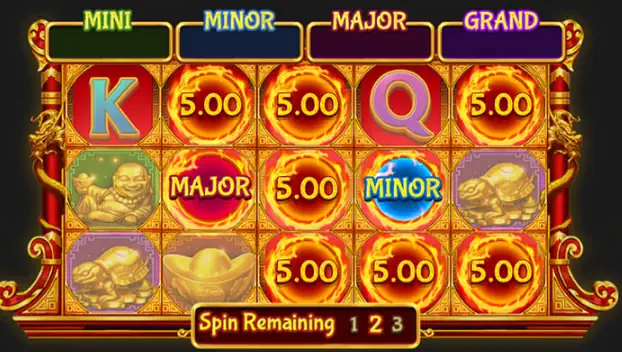
I see huge demand for AI-powered personalization and responsible gambling tools. These features are becoming standard in higher-tier platforms. Expect 80% of new content from top 10 developers to feature some form of 'buy bonus' or instant prize feature by 2025. The game mechanics themselves are fundamentally changing.
FAQ
Why should I use a casino aggregator instead of signing with individual providers?
A single aggregator saves months of technical integration time. You get one dashboard for dozens of game providers instead of managing fifty separate contracts and APIs for the same content.
What’s a critical clause to negotiate in a provider contract?
Always secure a performance-based break clause. I’ve paid high monthly guarantees for poor-performing games for six months without one; a 30-day game removal notice is my target instead of the standard 90 days.
How do I assess an aggregator's game quality?
Audit the weakest third of their portfolio, not the top titles. Check for networked progressive jackpots that hit weekly, not standalone ones. Fast load times and localized content for your market are non-negotiable.
Is Playtech or Bgaming a better aggregator choice?
It depends on your scale and speed needs. Bgaming often has lower minimum guarantees and faster deployment. For a large, established operation, Playtech’s full end-to-end suite with its own IMS might be necessary.
What’s the single most important game type for revenue?
Live dealer tables. For most operators I work with, live casino generates over 50% of revenue. This makes a contract with a top-tier provider like Evolution Gaming absolutely essential.
How long does platform integration take?
Full integration with a major iGaming provider typically requires 4 to 8 months of dedicated developer work. This includes ensuring robust API connections for cashier functions and real-time reporting.