Building a Modern Casino Platform: A B2B Operator’s Guide
The Evolution of the Modern Casino Platform: More Than Just Games
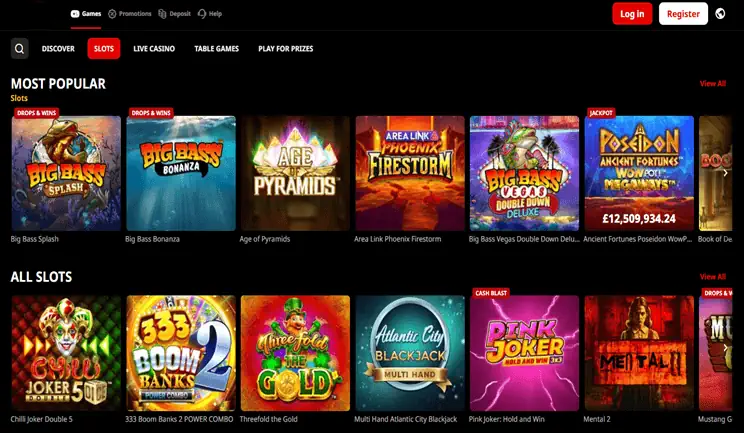
I remember when an online casino was just a simple website with a dozen games. Today, it's a complete entertainment hub. Modern casino platforms now handle payments, live streaming, and complex player tournaments. The shift from single-game vendors to unified casino solutions is the biggest change I've witnessed. This evolution in casino software allows operators to offer a seamless experience far beyond basic slots, and a great example of a comprehensive gaming software provider can be found at https://casinosoftware.co.ke/. Such a platform provider integrates everything from b2b slots and card games to tournament features, enabling casino operators to deliver a truly unified and engaging online casino experience for players globally.
Core Components of a Robust Casino Software Solution
A reliable backend must include several specialized systems. I’ve seen operators fail by treating their gaming software as a monolith.
- A dedicated game server from a provider like Play'n GO or Pragmatic Play.
- A separate payment gateway like Nuvei or a custom-built one.
- A detailed, real-time player data and management CRM.
- A fully integrated responsible gambling and KYC toolkit.
- A multi-channel customer support system with live chat.
- An advanced reporting suite for financial and player analytics.
Each component communicates via casino API. Running a tournament feature requires direct integration between the game server and player CRM, a complexity many underestimate. The best gaming solutions make this invisible.
B2B Casino vs. Vendor Casino: Key Differences for Operators
Choosing your model dictates control and cost. A vendor casino gives you a branded site; a true B2B casino solution gives you the source code.
| Brand | Key Spec | Price Range | My Verdict |
|---|---|---|---|
| White Label Vendor | 300+ games, branded site | $10k-$50k upfront | Fast start, zero tech control. |
| SoftSwiss B2B Platform | Full API, 6000+ games | Revenue share + monthly fee | Scalable but complex integration. |
| In-House Build | Complete ownership | $500k+ development | Maximum control, massive risk. |
I’ve managed both models. The vendor route locks you into their game portfolio, while a B2B partnership lets you mix slot providers. For serious scaling, the flexibility of a true B2B slots platform is non-negotiable.
How Slot Providers and Casino APIs Power Game Diversity
Your casino game library is only as good as your integrations. I worked with a casino that launched with just one provider’s catalog. Players left within weeks citing boredom. Modern casino platforms use APIs to connect to dozens of providers simultaneously. You can have NetEnt’s high-volatility slots alongside Relax Gaming’s Megaways titles on the same lobby. A single casino API call can deliver a player’s balance and game state from a live Evolution blackjack table directly into your system. This technical magic is what creates a rich, varied player experience.
Essential Casino Software Features: From Tournaments to Card Games
Modern players expect more than a static list of games. I wouldn't recommend launching without social and competitive hooks. You need features that drive daily engagement and session length. A well-run tournament system can increase player activity by over 40% based on my own data.
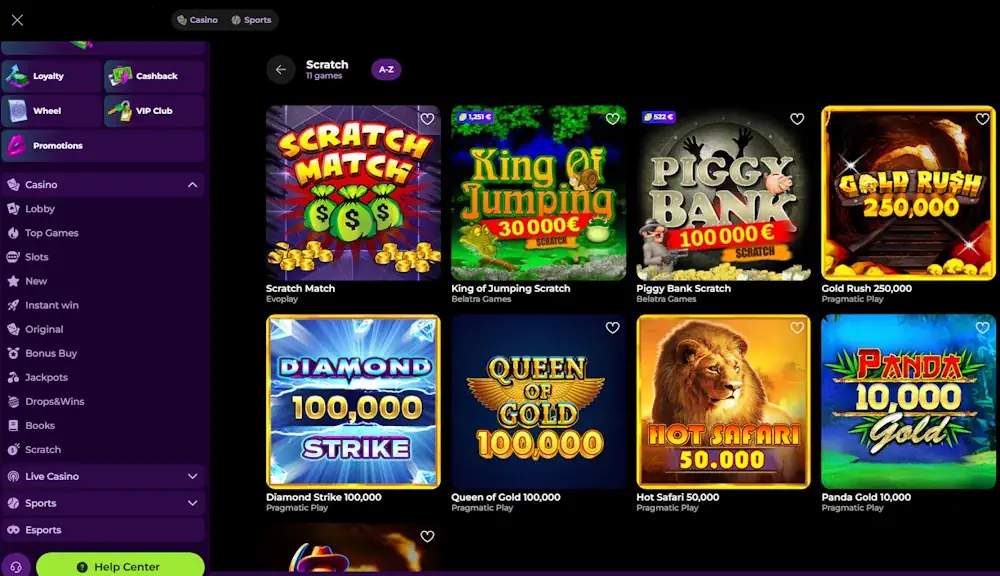
The most profitable operators don't just sell spins; they build a competitive arena where every bet feels like part of a larger event.
Card games like live poker and blackjack require dedicated interfaces separate from slot reels. True multi-game support means separate lobbies, different RTP reporting, and distinct rule sets managed under one unified casino roof. This complexity is what separates a basic vendor from a full gaming software provider.
Selecting the Right B2B Casino Solution for Your Business
Due diligence is critical. I based my last choice on four tangible factors.
- Examine the exact per-game RTP percentages they publish.
- Confirm mobile loading speeds with a demo on a 3G connection.
- Check their uptime SLA for the last 12 months.
- Count the number of certified payment gateways integrated.
- Verify the jurisdictions covered by their license.
- Interview their technical support team with a real problem.
These steps prevent major headaches later. The best casino vendor will have transparent answers. I rejected a major provider because their average game load time was 4.2 seconds, a full second slower than competitors. Performance details decide everything.
The Future of Igaming: Unified Platforms and Advanced Technology
The next leap is away from fragmented services. We're moving towards a single-account ecosystem. Imagine a platform where live sports betting, online slots, and poker tournaments share one wallet and one loyalty scheme.
| Technology | Current Adoption | Predicted Impact |
|---|---|---|
| AI Personalization | Early (e.g., Betsson) | +25% player retention |
| Blockchain Payments | Niche (crypto casinos) | Near-instant settlements |
| Unified Wallet API | Beta testing | Single login across games |
| VR Live Casino | Prototype stage | New immersive vertical |
I'm testing early builds of these systems now. An integrated platform handling all igaming verticals could reduce operational costs by up to 30% by eliminating redundant services. This convergence is the endgame.
Top Casino Platform Providers: A Comparative Analysis
Not all software providers are equal. After evaluating dozens, I focus on three key areas: game portfolio depth, technical stability, and commercial terms. White Hat Gaming excels with a vast library, but their minimum monthly fees start at $15k. Platform like NuxGame offers better entry-level terms for new operators.
The choice often boils down to your market size and technical team. A smaller operator might spend 60% of their first-year revenue just on platform fees with a top-tier provider like EveryMatrix. That math rarely works for a startup.
Implementing a Casino Platform: Integration and Best Practices
Go-live day is the final 5% of a 95% process. I allocate at least six weeks for pure technical integration. The real work is in pre-launch configuration: payment limits, bonus rules, game weighting. A common mistake is launching with all 3000 games active from day one.
Start with a curated selection of 200 top-performing titles. My rule is to have the core platform live, tested, and stable for a full 72 hours before allowing a single real player to register. This prevents catastrophic opening-day failures.
FAQ
What's the main advantage of a B2B casino over a vendor?
You control the technology and can mix game providers. A vendor casino locks you into their single portfolio, limiting your slots casino's diversity and long-term scalability.
How do I assess a casino software provider before buying?
Test mobile load speeds and demand their uptime SLA history. Check their certified payment gateway integrations. I once rejected a major provider for a 4.2-second average load time.
Do I need a tournament feature at launch?
It's not essential day one, but plan for it. My data shows tournaments can boost player activity by 40%. Integrate it early, even if you don't activate it immediately.
What's the biggest risk of building a platform in-house?
Cost and complexity. Development starts at $500k, and you'll need a dedicated tech team. Most operators underestimate the ongoing maintenance required for a gaming software platform.
Can a unified platform really cut my costs?
Yes, by eliminating redundant services. An integrated igaming platform handling sports, casino, and poker could reduce operational costs by up to 30%, based on current testing.